
APGC Welcomes Support of Member Nations
September 14, 2026
Beijing, China: Asia-Pacific Golf Confederation (APGC) Chairman Philip Hassall has praised China golf officials and Bayh...


Pune, India: The global golf equipment market is expected to be valued at US$8.9 billion in 2026 and projected to reach US$12.9 billion by 2033, growing at a Compound Annual Growth Rate (CAGR) of 5.4% with the Asia-Pacific region being a prime driver.
This growth trajectory is under-pinned by a sustained post-pandemic resurgence in golf participation globally, rapid adoption of technologically advanced equipment and expanding golf infrastructure across emerging economies.
The findings form part of a new report from Persistence Market Research, which also highlights North America remaining the largest region, with a 42% market share in 2025, helped by more than 41 million golfers in the US, higher disposable income and established retail and golf course networks.
In a segment entitled ‘Asia-Pacific Golf Equipment Market Trends and Insights’ the report says:
Asia-Pacific is the fastest-growing regional market for golf equipment, projected to expand at a CAGR of approximately 7.2% through 2033, and holds an estimated 22% global market share in 2025. China, Japan, Korea, and Australia are core contributors, with China emerging as a pivotal growth engine. The China Golf Association projected golf participation in China to surpass five million registered players by 2025. Rapid urbanisation, rising middle-class incomes, and government support for sports infrastructure are powering regional growth.
According to the report, the Golf Equipment Manufacturers Association (GEMA) and leading industry bodies have noted a consistent uptick in beginner and recreational golfer registrations since 2020, driving demand across all product categories.
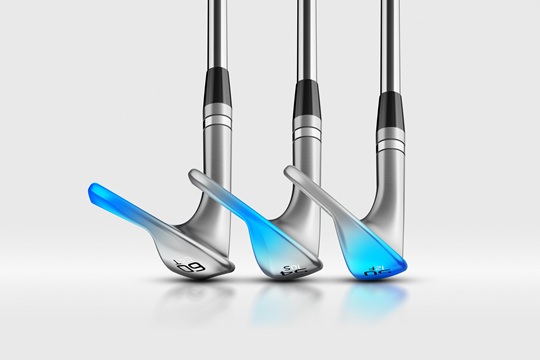
Premium club technologies such as adjustable drivers, multi-material irons and smart-sensor embedded balls are further accelerating average selling prices and overall market revenues.
Online distribution is the fastest-growing sales channel, helped by e-commerce, direct-to-consumer strategies and younger golfers’ buying habits.
The report says growth is being driven by a broader player base, including 66.6 million golfers across 208 countries globally, alongside rising demand for adjustable drivers, multi-material irons, smart-sensor embedded balls, AI-optimised clubfaces, high-speed ball technologies and fitting systems using platforms such as TrackMan and Foresight Sports.
Cost remains a barrier, with entry-level club sets from established brands typically priced between US$300 and US$700, while premium sets can exceed US$3,000, before course fees, apparel, footwear and accessories are added.
Infrastructure is also unevenly distributed, with more than 75% of the world’s 38,864 golf facilities located in just 10 countries. The strongest opportunities are expected to come from indoor golf and entertainment venues such as Topgolf, Drive Shack and PopStroke, home simulators from brands including SkyTrak and Full Swing, and the women’s and junior markets, with women accounting for around 25% of US golfers in 2023 and juniors exceeding 3.4 million on-course participants.