Golf Travel Pavilion in Centre Stage
Posted on December 28, 2025
Florida, United States: Global golf travel will take centre stage at the 2026 PGA Show, as premier international destina...

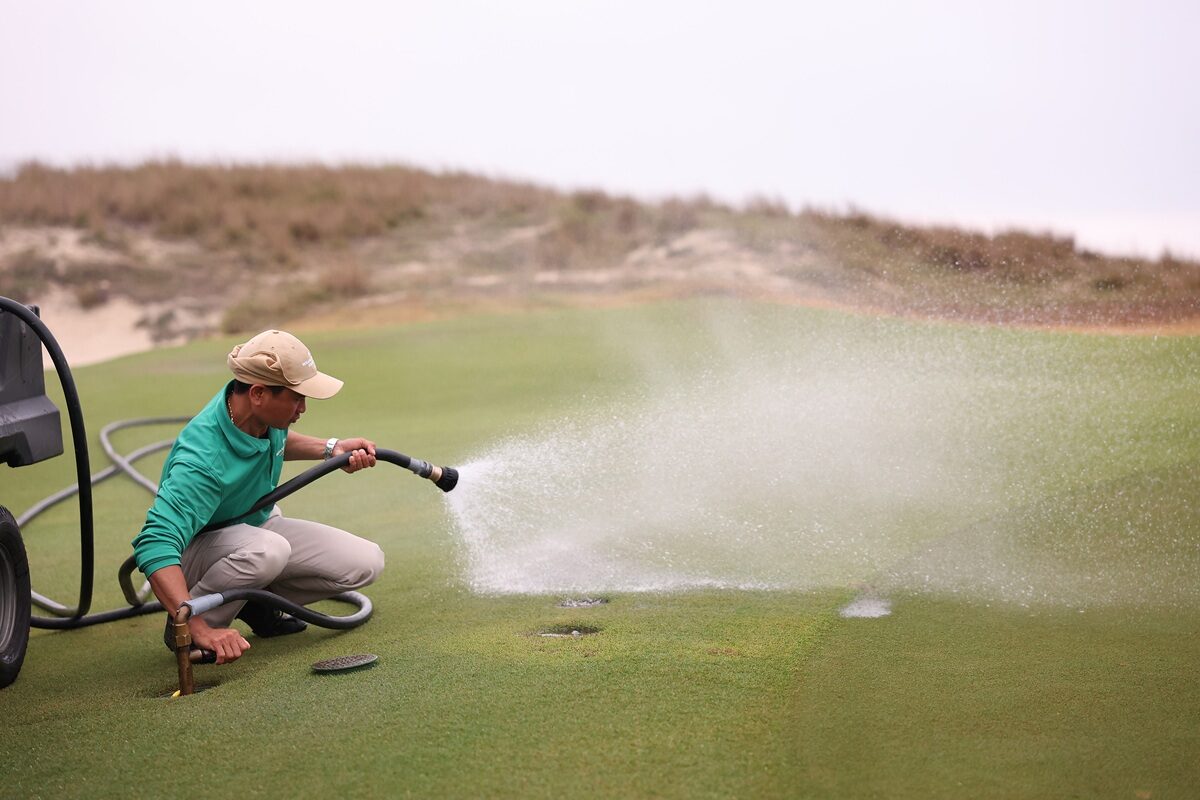
Singapore: Sustainability programmes at Asian golf courses are lowering water and energy use by hard-wiring efficiency into daily operations rather than treating conservation as a side initiative.
Across Asia, you now see golf operators set measurable limits for irrigation, turf management, equipment and facilities to address water scarcity, rising power costs and regulations. These programmes show that you can maintain high-quality playing conditions while operating within defined resource limits.
Water and energy account for the largest controllable operating inputs for golf courses across Asia. Because reductions in these areas affect operating costs, regulatory compliance and public perception, sustainability programmes target them before secondary environmental measures. When you manage both resources together, operational decisions become easier to measure and adjust.

Sustainability Programmes and Resource Reduction
Sustainability programmes link environmental targets directly to daily management decisions. You use these programmes to define limits for water withdrawal, irrigation efficiency, electricity consumption and emissions, then align your budget, staffing and equipment purchases with those limits. Instead of isolated upgrades, you have co-ordinated operational planning.
By managing irrigation, turf systems and facilities as a single operating system, you reduce the waste created by disconnected decisions. When one adjustment affects your total consumption, real-time visibility allows faster correction before the losses build up.
Why Water and Energy Matter in Asia
Water scarcity places immediate constraints on golf courses across Asia. Dense populations, agricultural demand and uneven rainfall patterns leave limited tolerance for high freshwater use, especially in China, Singapore, Hong Kong and parts of Southeast Asia. Regulatory boards in these markets closely track water-intensive land use, including golf facilities.
Energy demand creates similar pressure. Clubhouses, irrigation pumps, maintenance buildings and equipment fleets draw continuous power in regions where electricity prices and grid capacity fluctuate. Sustainability programmes address both pressures together so you avoid shifting costs from one resource to another.
Reducing Water Use Through Irrigation Systems
Advanced irrigation systems form the foundation of water reduction strategies at Asian golf courses. You replace fixed schedules and manual watering with automated systems that rely on soil moisture sensors, localised weather data and evaporation rates. These tools apply water only when turf conditions require it.
Zone-based sprinkler control prevents over watering in shaded, sloped or low-traffic areas. As a result, you reduce run-off, evaporation and pumping time while maintaining consistent turf performance.
Using Recycled and Alternative Water
Many Asian golf courses now operate with limited or no potable water for irrigation. Sustainability programmes prioritise treated wastewater, greywater and captured rainwater as primary sources. On-site reservoirs store seasonal supply and stabilise availability during dry periods.
Large operators such as the Mission Hills Group in China show how closed-loop systems support this approach. At select sites, you reuse all treated wastewater for irrigation, eliminating freshwater use while still being able to cover the full course.
Turfgrass and Agronomy Choices
Turfgrass selection directly affects long-term water use. Sustainability programmes guide you toward grass species suited to local climate, soil conditions and water quality rather than imported varieties developed for different environments. Drought and salt-tolerant grasses require less frequent irrigation and perform better during extended dry periods.
Agronomic practices reinforce these outcomes. Many Asian courses adopt firmer playing conditions by reducing irrigation in roughs and non-priority areas while maintaining consistent moisture on putting surfaces. Adjusted mowing heights, targeted nutrient application and controlled renovation schedules further limit water demand while supporting reliable green speed.
Landscaping Beyond Play Areas
Non-play areas provide substantial opportunities for water reduction. Sustainability programmes replace irrigated turf in slopes, buffers and out-of-play roughs that sit beyond typical driver carry distances with native plants and smarter design. Once established, these landscapes need little supplemental water and lower on-going maintenance requirements.
Habitat restoration often follows. Native vegetation stabilises soil, improves water quality in storage ponds and supports local bio-diversity tied to course eco-systems.

Renewable Energy on Golf Courses
Renewable energy systems now play a growing role in Asian golf operations. Solar installations on clubhouses, maintenance buildings and parking structures offset electricity used for lighting, cooling and pumping. Some courses pair solar generation with battery storage to manage peak demand.
By generating power on-site, you reduce reliance on external supply while lowering exposure to price fluctuations tied to grid electricity.
Electric Equipment and Lighting
Electric golf carts and maintenance equipment replace fuel-powered alternatives across many Asian courses. Modern battery systems support longer operating cycles and reduce maintenance complexity compared to combustion engines.
LED lighting upgrades across clubhouses, pathways and driving ranges further lower the electricity demand. Longer fixture life also reduces replacement frequency and maintenance downtime.
Smart Monitoring and Control Systems
Centralised monitoring platforms connect irrigation, energy and facility systems into one operating environment. Sustainability programmes rely on real-time data to track consumption, identify leaks or inefficiencies and adjust schedules based on actual conditions.
When you manage resources through live feedback instead of assumptions, sustainability becomes an on-going operating process, not just a periodic review exercise.

Measured Results at Asian Golf Courses
Asian golf courses report documented reductions in irrigation demand and facility energy use after adopting sustainability programmes. Across Southeast Asia and East Asia, operators attribute these outcomes to sensor-driven irrigation, electrified equipment and facility efficiency upgrades rather than isolated projects.
Courses such as Sentosa Golf Club in Singapore and Hoiana Shores Golf Course in Vietnam pair operational changes with certification systems to track performance and share benchmarks across the region.
Cost Benefits of Sustainability Programmes
Lower water and energy use translates directly into reduced operating costs. While sustainability programmes require up-front investment, long-term savings from utilities, maintenance and equipment replacement improve financial stability. Regulatory confidence and community trust also support continued operation in resource-constrained markets.
Sustainability as a Long-Term Model
Sustainability programmes give Asian golf courses a practical way to operate under permanent resource constraints without compromising course quality. By turning water and energy limits into fixed planning inputs, you reduce exposure to regulatory shifts, supply disruptions and cost volatility that increasingly shape golf operations across the region.
Over time, these programmes change how decisions get made. Capital planning, staffing models and maintenance standards rely on measured performance rather than short-term fixes. That structure allows courses to adapt as conditions change, using data to guide adjustments instead of reacting after losses occur.
In markets where water and energy pressure will continue to tighten, sustainability functions less as an environmental initiative and more as a control system. Courses that embed these limits into daily operations position themselves to remain playable, compliant and financially stable over the long term.
*Sentosa Golf Club and Hoiana Shores Golf Club are members of the Asian Golf Industry Federation.
*About the Author: Jordan Fuller is a retired golfer and businessman. When he’s not on the course working on his own game or mentoring young golfers, he writes in-depth articles for his website, Golf Influence.