Troon’s City of Florence Tie-Up
February 14, 2026
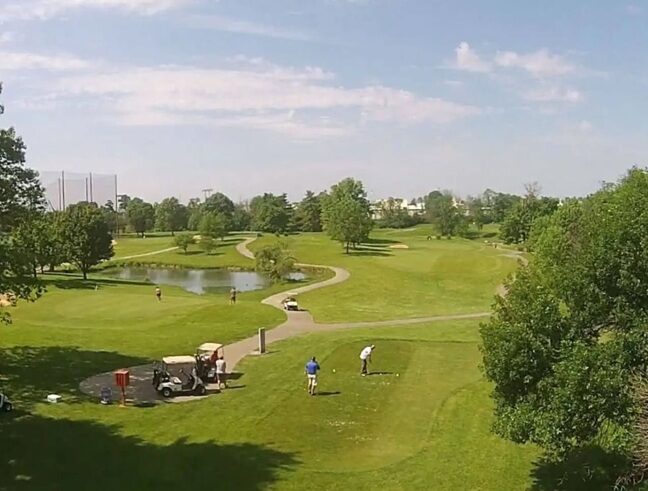
Arizona, United States: Indigo Sports, a Troon company, will oversee golf operations, agronomy, food and beverage, and s...

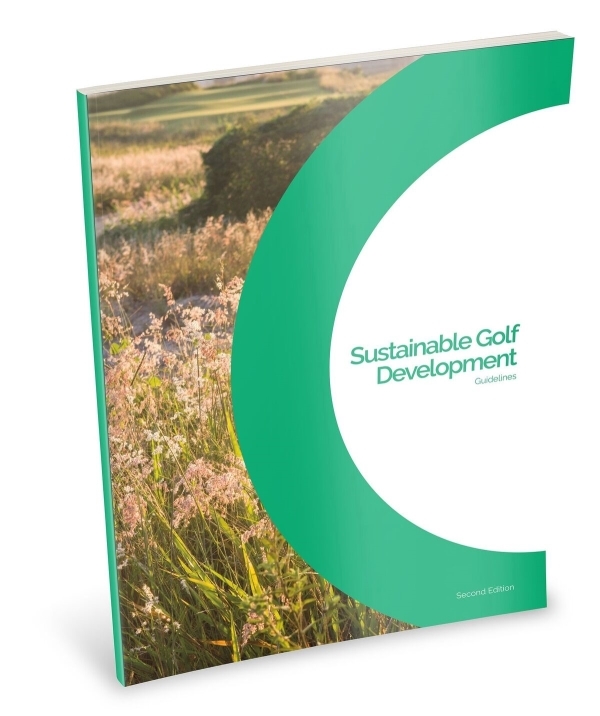 London, England: A new edition of International Sustainable Golf Development Guidelines brings together over 55 innovative examples and compelling insights from leading figures in golf development from across the globe demonstrating why golf continues to be more than a game.
In recent years, golf has shown that it is adapting to address future challenges, and new projects are pushing the boundaries of conventional golf course design.
The examples within this new edition have come about to meet challenges faced, such as resource availability, personal time constraints, tighter land restrictions and increasing social challenges.
This next generation of golf developments are delivering greater benefits for their social and natural environments whilst providing multi-use recreational facilities for all generations.
Endorsed by many of the major industry associations in golf development and sustainability, the guidelines examine the process of realising a golf development from site selection right through the design and construction process to opening day and beyond.
The guidelines complement the OnCourse Developments programme’s ethos by being open and applicable to every kind of proposed golf course from large resort developments to smaller scale golf facilities.
Sam Thomas, Manager of Golf Development at Golf Environment Organisation (GEO), said: “Since 2010, the industry has moved forward at pace and there have been so many great examples of sustainable golf development.
“The guidelines have been refreshed to include these new real-world examples and also to more closely align with the current dialogue in the sustainability world; along with last year’s release of the International Voluntary Standard and OnCourse Developments programme for golf developments.”
In this publication are examples of river restoration in the South of Portugal; zero chemical construction and maintenance in the Caribbean and Scandinavia; renovation with 33% reduction in resource consumption in the United States and support for local communities and education in South America.
This whole world view of sustainable golf development and the alignment with the UN’s Global Sustainable Development Goals is vital to the continued growth and prosperity of the sustainable golf development movement.
The publication also includes insights from leading figures around the golf development sector that reinforce this sense of evolution in the industry.
Bill Coore, of Coore & Crenshaw, said: “We sense that golf development is shifting back to the traditional core values of the game, with courses that evoke a distinct and natural sense of place, unique and responsive to their site and conditions.”
The importance of fully understanding the site and to embrace its qualities are clearly set out by Jeremy Slessor, Managing Director of European Golf Design.
He said: “Emphasis must be placed on good site selection criteria and the fundamental qualities that make up a great golf course: character, views, topography, soil, water and accessibility.”
Gil Hanse, of Hanse Golf Design, added: “Our designs are first and foremost driven by the desire to create a course that embraces its native surrounds. Within this framework, we work to create a course that would be sound strategically, interesting and fun to play for all classes of golfers.”
Meanwhile, Tom Doak, of Renaissance Golf Design, raises the idea of minimal intervention and a timeless quality that can be achieved through resourceful and creative site construction techniques.
He said: “When we resist the temptation to re-shape fairways, and incorporate the natural contours, we preserve the integrity of the topsoil and its valuable eco-system. When someone says our course looks like it’s been there for 100 years that’s because most of it has been there all along.”